





Responding to a Low Temperature Alert
A low temperature alert means a sprinkler pipe, or the space around it, is getting cold enough to put the pipe at risk of freezing. Act quickly: a frozen sprinkler pipe can crack, leak, and leave the system unable to protect the building.

Water leaking or a pipe burst? Call your fire sprinkler contractor right away.
Closing a sprinkler valve turns off fire protection for that part of the building. Only trained staff should do it, and your alarm monitoring company or fire department should be told.
What to do now
- Take the alert.
Tap I’m working on it so your team knows someone is on the way.
- Check how cold, and how fast.
Open the alert and look at the chart. Water in a pipe can freeze at 32°F (0°C); limits are set above that, often around 36–40°F, to give you time. A reading close to 32°F, or one dropping fast, means go now.
- Go to the area and find what let the cold in.
- Exterior or overhead doors left open, or doors that don’t latch
- A heater that’s off, out of fuel, or on a tripped breaker
- A thermostat that’s been turned down
- Missing or damaged insulation on the pipe
- Broken windows, open vents or louvers letting in drafts
- Restore the heat.
Close doors and windows, and get the heater or thermostat working again. Keep the heat on in areas nobody is using, through nights and weekends.
- Watch the reading recover.
The alert shows when the next reading is due. A pipe takes a while to warm up, so give it a reading or two, and post what you did in the chat.
- Close the alert with the cause.
Tap Resolved and pick what caused it, like “Door or window left open”. More on resolving an alert
If a pipe may be frozen
Signs include a reading at or below 32°F, frost on the pipe, or a bulge or crack in it.
- Never thaw a pipe with an open flame or torch.
- Call a licensed fire sprinkler contractor to thaw and inspect it.
- Warm the space, not the pipe: close it up and restore the heat while you wait.
Preventing the next one
Keep it at 40°F or warmer
Sprinkler standards call for spaces with water-filled sprinkler pipes to be kept at 40°F (4°C) or warmer.
Check doors and closers
Make sure exterior and overhead doors close and latch on their own, especially near riser rooms and loading docks.
Get ready before winter
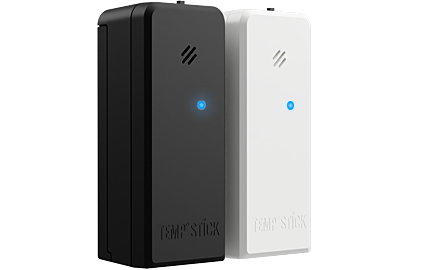
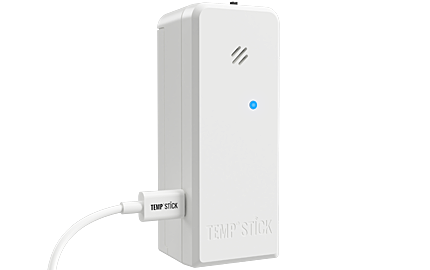
Check heaters, thermostats and pipe insulation before the first cold night, and put fresh batteries in your Temp Stick. Replacing the batteries
Watch the coldest spots
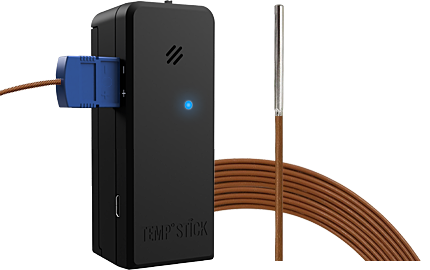
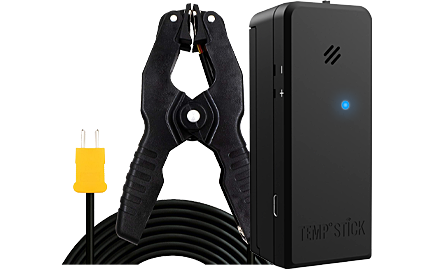
Put pipe straps where the cold gets in first, and set limits that leave time to react. Best placement